In a previous post, I mentioned a term: Religious Syncretism. I had thought that I had posted on this before, but it was my drafts. Syncretism in Mexico is very noticeable. Besides the syncretism that exists in the Day of the Dead celebrations, here are two pictures of what I mean:
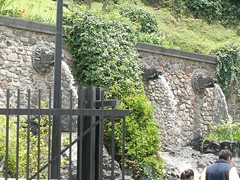 The sculptures in the first picture are of Queztalcuatl, an ancient Mexican god that predates the arrival of the Spaniards. The descriptions of this god are abundant at the pyramids (Teotihuacan, or place of the gods), and it is expected there. This picture was taken, however, at the Basilica of Guadalupe, a catholic basilica, which is the second most visited catholic site in the world; second only to the Vatican.
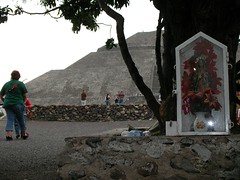 This second picture was taken at Teotihuacan, the pyramids that are located north of Mexico City. These pyramids have a temple dedicated to Quetzalcoatl, one of the many ancient gods that were worshiped at this site. The pyramids have a grand ancient religious background. But the image of the Virgin of Guadalupe can be found there, too.
When I say syncretism, I am talking about this mixture of beliefs.
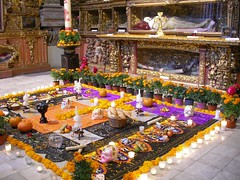 When I went downtown to observe the Day of the Dead celebrations, I was extremely interested in the beliefs of the Roman Catholic Church with respect to the celebration. I wondered if they would be participating in the celebration. The picture to the left is an altar set up in the Cathedral downtown. I was very interested to see it, and it looked exactly like the other “ofrendas” that were outside (see my video of the celebration).
November 1 and 2nd are catholic holidays. All Saint’s Day and All Souls’ Day are celebrated on those two days, and the date of the current Day of the Dead celebrations has a lot to with the catholic church. Some sources say that before the Spaniards arrived in the 1500s, the celebration of the Dead was the whole month of August, not the first two days of November. So, it can be said that the timing of the modern celebration is another result of syncretism between ancient religious beliefs and church beliefs of the 1500s.
 The fact that the Day of the Dead coincides with the All Saints’ Day and All Souls’ Day is no accident. It seems that the beliefs are a mixture of catholic traditions and indigenous practices. The belief in Mictlan, the place of the dead, comes from before the Spaniards arrived, as does Mictlantecuhtli, the god of hell and death. These beliefs and many others were mixed with the beliefs of the Spaniards, and what we have today seems to be a continuation of this mixture.
I’m by no means an expert on this subject, but I am continuing to observe and identify the culture to better understand the worldview of those with whom I am working. A person’s concept of death has a lot to do with their beliefs about God and religion. It’s good to research and try to understand these things, as it helps us to better form what we believe about the same things.
Sources: Day of the Dead – Wikipedia; Encarta; All Saints’ Day
Related: Festival of Colour, Mockery, and Family; Cottrill’s pics; My flickr set
 I’m teaching Campus Ministry at the seminary this quarter, and it’s been a difficult class so far. The concept is so new that my students don’t really understand what we are trying to do. We are trying to become insiders on school campuses for various reasons, and as usual, we are coming up against many obstacles. The thing is, we must realize the importance of having a presence on campus. Here are four reasons I believe we should try to penetrate the campus.
(more…)
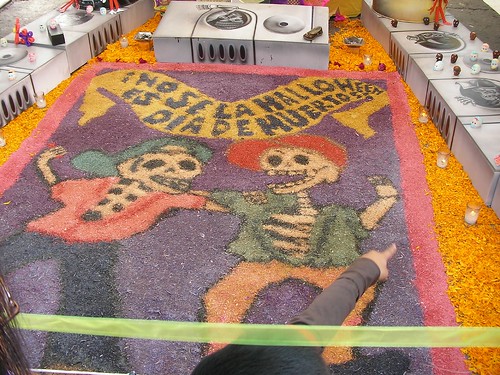
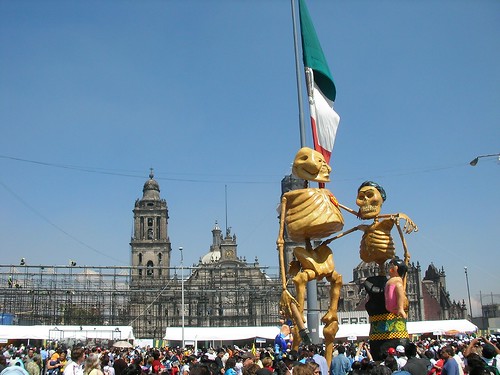
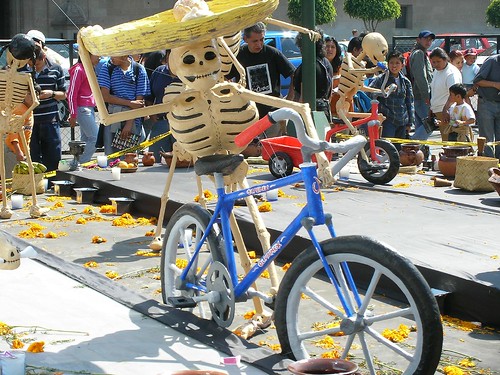
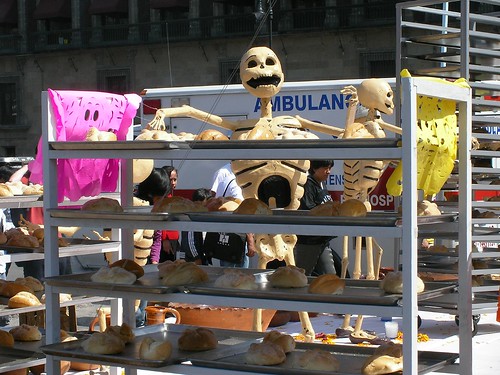
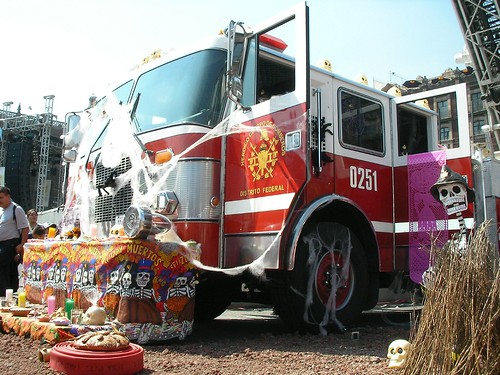
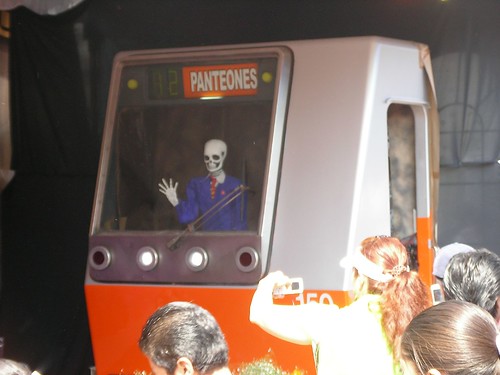
Like I told you already, I went downtown on Friday to see the annual Day of the Dead celebration in the Zocalo. The day(s) of the dead are celebrated on October 31 until November 2. Here’s a translation of what the program they were handing out said:
The sacred ancient Mexican space of Mictlan refers to the mythical place where all individuals, when they die from natural causes, had to pass through dangerous places that, for four years, tested their intelligence and values that they learned in their lifetime.
For those from Mesoamerica, arriving at Mictlan was a mandatory path, a place of purification, in order to transition to other states of being. And one of the main doors to enter Mictlan was found close to Templo Mayor, with the present day Zocalo as its heart.
My thoughts on the celebration are many. A few things that I noted were the many people talking about how much the Day of the Dead is a Mexican holiday, and that it should be celebrated, and Halloween should not be celebrated, which echoes what I read about the Catholic church of Mexico’s comments earlier in the week. There were also many politically charged “ofrendas,” or traditional altars.
There is always some sort of protest going on downtown, and Friday was no exception, as we watched hundreds of people protesting naked in one corner of the main plaza.
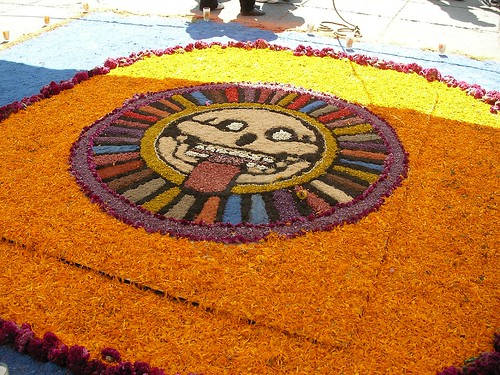
As for the celebration, it has almost gotten to a point of art. The “ofrendas” were elaborate, and the displays, artistically speaking, were incredible. I could tell that hours of work had gone into creating them. The celebration was attended by thousands of people. It was the largest cultural event I had been to since coming to Mexico.
I have more thoughts on the Day of the Dead, but I feel it warrants another post, so I’ll finish this post with some pictures from the festival downtown.
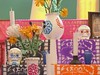
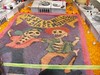
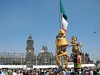
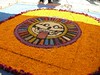
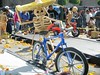
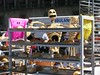

Click a thumbnail to see larger version
If you want to see the whole set on Flickr, click here.
I posted a video from the event here.
 In case you haven’t heard, there has been lots of flooding in the State of Tabasco, affecting hundreds of thousands of Mexicans.
They say 70% of Villahermosa, the capital city, is under water. All sorts of places have been set up where people can donate water and food for those affected.
We visited Tabasco about a year and a half ago, and it is a beautiful state. Our prayers are with the people who are affected.
Foto by: Jami Dwyer